






The modern digital landscape is defined by rapid technological change, interconnected platforms and continuous innovation cycles. Organizations and professionals are no longer challenged by a lack of technology, but by the difficulty of understanding how emerging systems interact and evolve over time. In this environment, clarity has become a strategic asset.

Understanding tech trends gfxprojectality helps decode this complexity by offering a structured way to interpret emerging tech trends within real world digital ecosystems. Rather than viewing innovation as a collection of isolated tools, this framework focuses on relationships, adoption patterns and long term relevance. As digital transformation accelerates, this perspective becomes essential for navigating modern technology environments effectively.
The Modern Digital Landscape Explained
The modern digital landscape refers to the interconnected network of technologies, platforms, data systems and digital experiences shaping contemporary industries. Cloud computing, artificial intelligence, immersive environments and automation now operate as integrated systems rather than independent solutions.
Digital innovation trends within this landscape evolve rapidly, driven by user expectations, data availability and competitive pressure. Understanding how these components interact allows organizations to anticipate change rather than respond re-actively. This is where technology evolution insights become critical for long term planning.
Core Components of the Modern Digital Landscape
The modern digital landscape is shaped by multiple technology components that function together rather than independently. Understanding these components helps clarify how emerging tech trends interact, scale and influence digital innovation trends across industries. The table below outlines the core components that define modern digital ecosystems and their primary roles.
Core Components of the Modern Digital Landscape
| Component | Primary Function | Strategic Importance |
| Cloud Platforms | Scalable infrastructure | Enable rapid deployment and flexibility |
| Artificial Intelligence | Intelligent decision making | Improves automation and prediction |
| Data Systems | Information processing | Supports data driven innovation |
| Immersive Technologies | Experience interaction | Enhances engagement and simulation |
| Automation Tools | Process execution | Reduces operational complexity |
The interaction between these components determines how effectively organizations can innovate and adapt. When cloud infrastructure, data systems and artificial intelligence are aligned, digital platforms become more resilient, scalable and capable of supporting long term digital transformation trends.
What Makes Tech Trends Gfxprojectality Relevant Today
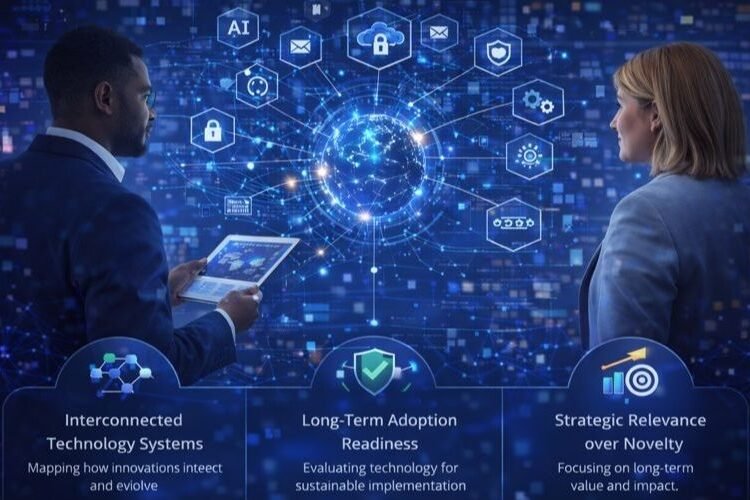
Tech trends gfxprojectality is particularly relevant in today’s environment because technological change is no longer linear. Innovations influence one another across domains, creating cascading effects throughout digital ecosystems.
This framework emphasizes:
- Interconnected technology systems
- Long term adoption readiness
- Strategic relevance over novelty
By analyzing emerging tech trends within their operational and strategic context, tech trends gfxprojectality helps reduce uncertainty and supports informed digital decision making.
Key Evaluation Factors Used in Tech Trends Gfxprojectality
Evaluating emerging tech trends requires consistent criteria to separate sustainable innovation from short term experimentation. Tech trends gfxprojectality applies a set of evaluation factors that help assess whether technologies are likely to mature, integrate and deliver long term value. The following table summarizes these key evaluation factors and their relevance.
Evaluation Factors in Tech Trends Gfxprojectality
| Evaluation Factor | Description | Impact on Adoption |
| Ecosystem Compatibility | Ability to integrate with existing systems | Determines scalability |
| Adoption Readiness | Infrastructure and skill availability | Reduces implementation risk |
| Long Term Relevance | Sustainability beyond short term trends | Supports strategic planning |
| System Interdependence | Dependency on other technologies | Influences success probability |
| Governance Readiness | Compliance and risk management | Affects trust and longevity |
These evaluation factors allow organizations to interpret technology evolution insights more accurately. By applying structured criteria, tech trends gfxprojectality helps decision makers prioritize technologies that strengthen ecosystems, reduce uncertainty and contribute to sustainable innovation rather than fragmented adoption.
Emerging Tech Trends Shaping the Digital Environment
Emerging tech trends continue to redefine how organizations operate and deliver value. These trends are not isolated; they evolve together, reinforcing or constraining one another within the digital landscape.
Key trends include intelligent automation, data driven innovation, immersive digital experiences and scalable cloud native systems. Tech trends gfxprojectality examines how these innovations mature collectively and influence future technology developments.
Understanding these dynamics improves awareness of digital transformation trends and strengthens innovation strategy insights.
The Role of Digital Innovation Trends in Ecosystem Growth
Digital innovation trends play a foundational role in ecosystem expansion. Platforms grow when technologies integrate seamlessly, scale efficiently and deliver consistent value.
Within tech trends gfxprojectality, digital innovation trends are evaluated based on:
- Ecosystem compatibility
- Adoption scalability
- Long term sustainability
This approach ensures that innovation efforts contribute to durable digital environments rather than fragmented systems.
Artificial Intelligence Trends in the Modern Digital Landscape
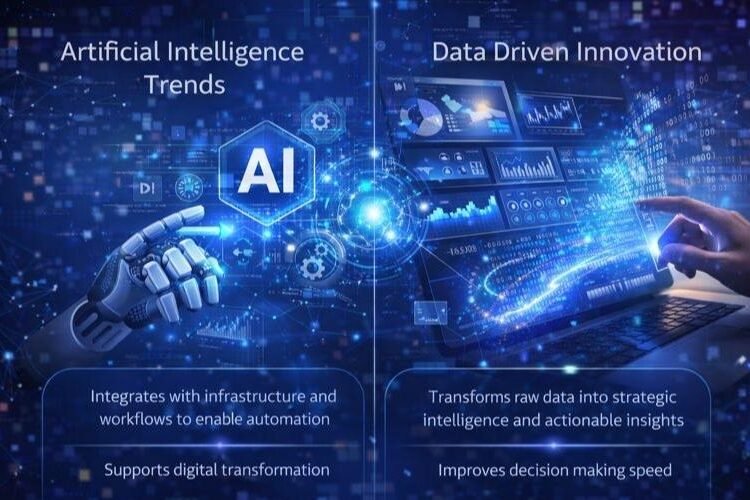
Artificial intelligence trends remain central to modern digital systems. AI enables predictive analytics, intelligent automation, personalization and real time decision support across industries.
From a tech trends gfxprojectality perspective, artificial intelligence is not treated as a standalone solution. Its impact depends on integration with data infrastructure, governance frameworks and operational workflows. When aligned correctly, AI strengthens digital transformation trends and enhances strategic flexibility.
Data Driven Innovation as a Strategic Foundation
Data driven innovation transforms information into strategic insight. Advanced analytics, machine learning pipelines and real time data processing support faster and more accurate decision making.
Tech trends gfxprojectality evaluates data driven innovation based on reliability, integration capability and outcome relevance. Systems that fail to translate data into actionable intelligence are deprioritized, regardless of technical complexity.
This emphasis ensures alignment between data investments and long term technology evolution insights.
Immersive Technology Developments and Digital Experience
Immersive technology developments are reshaping how users interact with digital environments. Augmented interfaces, virtual simulations and interactive platforms enhance engagement across education, enterprise and creative sectors.
Within tech trends gfxprojectality, immersive technologies are assessed based on usability, infrastructure readiness and long term adoption potential. This prevents overinvestment in experimental tools that lack scalable value.
Technology Adoption Patterns in Modern Systems
Technology adoption patterns reveal how innovations transition from experimentation to standardization. Many technologies fail not due to capability limitations, but because they lack ecosystem readiness.
Tech trends gfxprojectality analyzes adoption patterns by examining:
- Infrastructure maturity
- Skill availability
- Integration feasibility
Understanding these factors supports realistic planning and reduces innovation risk.
Digital Transformation Trends Across Industries
Digital transformation trends manifest differently across sectors, influenced by regulation, operational complexity and customer expectations. However, common drivers include automation, data integration and experience optimization.
Tech trends gfxprojectality provides a unified lens for understanding how these trends unfold across industries while accounting for contextual differences. This supports scalable transformation strategies rather than one size fits all solutions.
Technology Trend Forecasting in the Digital Landscape
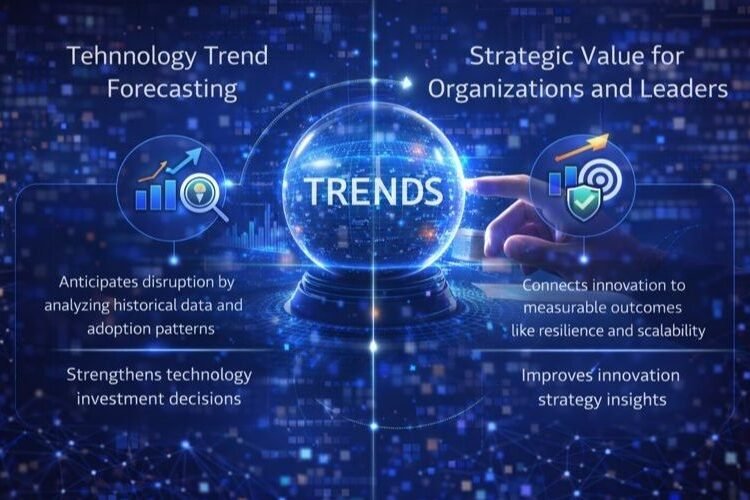
Technology trend forecasting enables organizations to anticipate disruption and prepare proactively. Effective forecasting integrates historical data, adoption signals and ecosystem analysis.
Within tech trends gfxprojectality, forecasting emphasizes pattern recognition over speculation. This strengthens future technology developments planning and supports informed investment decisions aligned with long term digital transformation trends.
Strategic Value for Organizations and Leaders
Understanding tech trends gfxprojectality provides strategic value by connecting innovation initiatives with measurable outcomes. Leaders gain clarity on which technologies support resilience, scalability and competitive advantage.
This framework improves innovation strategy insights by reducing fragmentation and aligning digital initiatives with organizational goals. It supports responsible innovation adoption in complex digital environments.
Challenges in Navigating the Modern Digital Landscape
Despite its advantages, navigating the modern digital landscape presents several persistent challenges. Rapid innovation cycles make it difficult for organizations to distinguish sustainable technologies from short lived experimentation, while increasing data complexity can obscure visibility into system performance and long term value.
Integration constraints between legacy systems and modern platforms further complicate adoption and scalability. Tech trends gfxprojectality mitigates these challenges through structured analysis that emphasizes system relationships, adoption readiness and long term relevance.
However, effective application requires reliable data sources, cross domain expertise and continuous monitoring. Without these elements, even structured frameworks may lose effectiveness, leading to delayed decisions or fragmented digital strategies.
Why Understanding Tech Trends Gfxprojectality Matters
Understanding tech trends gfxprojectality equips readers with the ability to interpret technological change holistically rather than reactively. By shifting focus from individual tools to systems, dependencies and long term patterns, the framework enables clearer evaluation of how emerging tech trends influence digital ecosystems over time.
For organizations operating in dynamic digital environments, this understanding supports better strategic planning, stronger alignment between innovation and business objectives and more resilient digital transformation outcomes. It helps leaders move beyond trend awareness toward informed decision making grounded in technology evolution insights and sustainable innovation principles.
Conclusion
The modern digital landscape is shaped by interconnected technologies, evolving platforms and continuous innovation. Navigating this complexity requires more than surface level awareness of emerging tools.
Understanding tech trends gfxprojectality provides a structured approach to interpreting emerging tech trends, digital innovation trends and future technology developments within real world contexts. By focusing on systems, adoption patterns and long term relevance, it enables clearer decision making and strategic resilience in an increasingly complex digital world.
Frequently Asked Questions (FAQs)
What are tech trends gfxprojectality in the modern digital landscape?
Tech trends gfxprojectality is a framework for understanding emerging tech trends as interconnected systems within the modern digital landscape, emphasizing long term relevance, adoption patterns and technology evolution insights.
How does tech trends gfxprojectality relate to digital innovation trends?
Tech trends gfxprojectality relates to digital innovation trends by examining how technologies interact, scale and mature as part of interconnected systems. Instead of evaluating tools in isolation, it analyzes relationships, dependencies and adoption patterns, helping organizations understand how collective innovation shapes long term digital ecosystems.
Why is understanding the digital landscape important for organizations?
Understanding the digital landscape is important because it enables organizations to anticipate disruption, recognize technology dependencies and align innovation initiatives with strategic objectives. This awareness supports informed decision making, reduces reactive adoption and helps organizations invest in technologies that deliver sustainable long term value.
Does tech trends gfxprojectality support technology trend forecasting?
Yes, tech trends gfxprojectality supports technology trend forecasting by using adoption signals, ecosystem maturity indicators and historical technology patterns. This structured approach reduces speculation and improves accuracy, enabling organizations to anticipate future technology developments responsibly and plan digital transformation initiatives with greater confidence.
Who should understand tech trends gfxprojectality?
Business leaders, strategists, digital professionals and educators benefit from understanding tech trends gfxprojectality to gain clearer technology evolution insights and improve innovation strategy alignment.

I am Ali Ahmad, a Business Analyst and research based article writer with a Master’s degree in Business and Finance and over five years of professional experience. My work focuses on data driven analysis, market research and international business relations, with strong attention to global economic trends and financial systems. I specialise in analytical content that evaluates corporate strategies, cross border trade, market behaviour and financial decision making, delivering well structured, factual and insight driven articles.