






Managing academic activities in a large public university can be challenging without a reliable digital system. Students need a smooth way to register courses, check results and track academic progress, while staff require accurate tools to manage records and assessments. To solve these challenges, the University of Dar es Salaam introduced a centralized academic management platform designed to simplify and digitize academic processes.

In its current form, aris 3 udsm plays a vital role in daily university operations. It connects students, lecturers and administrators through one academic system, reducing paperwork and improving efficiency. Understanding how this system works is essential for avoiding common mistakes, saving time and ensuring that academic records remain accurate throughout a student’s university journey.
This article explains ARIS 3 in detail, covering how to log in, key features, course registration, results checking and common issues users face. Whether you are a student or a staff member, this guide will help you use the system more confidently and effectively.
What Is ARIS 3 UDSM?
ARIS 3 UDSM is the third version of the Academic Registration Information System used by the University of Dar es Salaam. It is a digital platform designed to manage academic data and processes in one centralized location. The system supports students, lecturers and administrators by providing secure access to academic information.
As part of the broader UDSM academic system, ARIS 3 replaces manual and semi digital processes that were previously time consuming and prone to errors. Students can access their academic profiles, register for courses and view examination results online. At the same time, lecturers can manage grading, upload results and monitor class lists efficiently.
The system also improves transparency and accountability. Academic records stored within the platform are updated in real time, reducing misunderstandings related to registration status, grades or academic progression. By acting as a student information system, ARIS 3 ensures that academic data remains consistent across departments and faculties.
ARIS 3 UDSM Login Process for Students and Staff
Accessing the system begins with the ARIS 3 UDSM login portal. Both students and staff use the same platform, although their dashboards and permissions differ based on user roles.
Students log in using their registration numbers and assigned passwords. Once logged in, they gain access to their profiles, course registration options, examination results and timetables. It is important for students to keep login credentials secure, as unauthorized access can affect academic records.
Staff members, including lecturers and administrative personnel, access the staff portal using institution-provided credentials. The staff interface allows lecturers to manage course lists, submit grades and monitor student academic performance.
To avoid login problems, users should ensure they are using the correct credentials and accessing the official UDSM ARIS portal. Logging out after each session, especially on shared devices, is strongly recommended to maintain account security.
User Roles and Access Levels in ARIS 3 UDSM
Before logging into the system, it is important to understand how ARIS 3 UDSM separates access for different users. Each role within the university has specific permissions designed to protect academic data and streamline responsibilities. The table below explains how access differs between users.
ARIS 3 UDSM User Roles and Access
| User Type | Portal Access | Main Functions |
| Students | Student Portal | Course registration, results checking, academic records, timetables |
| Lecturers | Staff Portal | Course management, grading, student lists, academic monitoring |
| Administrators | Admin Access | Data verification, system oversight, academic record management |
Role based access ensures that users only see the tools and information relevant to their responsibilities. This approach improves system security, reduces confusion and allows students and staff to focus on tasks that support academic success.
Key Features of the ARIS 3 UDSM System
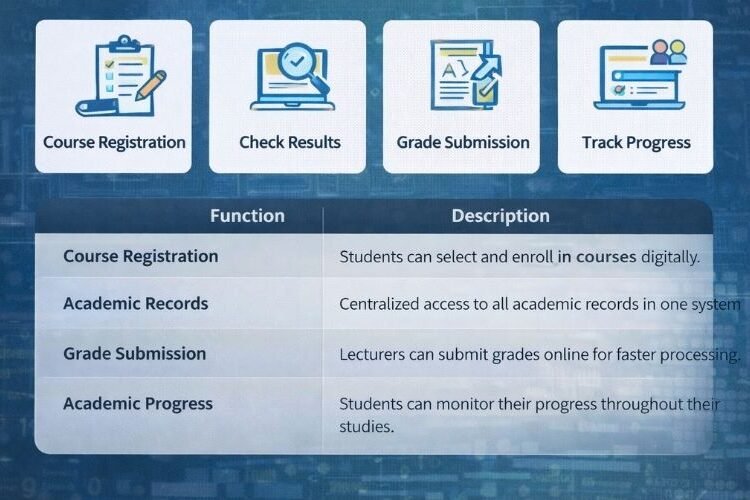
The ARIS 3 UDSM system offers several features that make academic management more efficient and reliable. One of its most important strengths is centralized access to academic records. All student information, from registration history to examination results, is stored in one secure system.
Another key feature is online academic registration. Students can select courses, confirm enrollment and track their registration status without visiting administrative offices. This significantly reduces delays during peak registration periods.
For lecturers, the grading system allows marks to be entered and submitted digitally. This reduces errors associated with manual data entry and improves accuracy. Additionally, ARIS 3 supports other UDSM online services, such as timetable access and academic progress tracking, making it an essential tool for day to day university operations.
Overview of Core ARIS 3 UDSM Features
ARIS 3 UDSM includes several built-in features that simplify academic management across the university. These features are designed to support students, lecturers and administrators through one integrated platform. The table below highlights the core functions of the system.
Core Features of ARIS 3 UDSM
| Feature | Description | Beneficiary |
| Online Course Registration | Enables students to register approved courses digitally | Students |
| Results Management | Allows uploading and viewing of examination results | Students & Staff |
| Academic Records | Stores academic history securely | Administration |
| Role-Based Access | Controls user permissions | All users |
By combining multiple academic services into a single system, ARIS 3 UDSM reduces administrative workload and processing time. These features help ensure accuracy, transparency and faster communication between students and university staff.
Course Registration Using ARIS 3 UDSM
Course registration is one of the most frequently used functions within the platform. The course registration process in ARIS 3 UDSM is designed to ensure that students enroll in the correct courses for their academic programs.
Registration typically opens at the beginning of each semester. Students are required to log into their accounts, review the list of available courses and select the ones approved for their year of study. Once selections are made, students must confirm their registration to finalize the process.
Errors during registration, such as selecting the wrong course or failing to confirm enrollment, can affect academic progress. For this reason, students are encouraged to review their selections carefully before submission. Using the system correctly helps avoid delays, missing grades and future administrative complications.
How to Check Examination Results on ARIS 3 UDSM
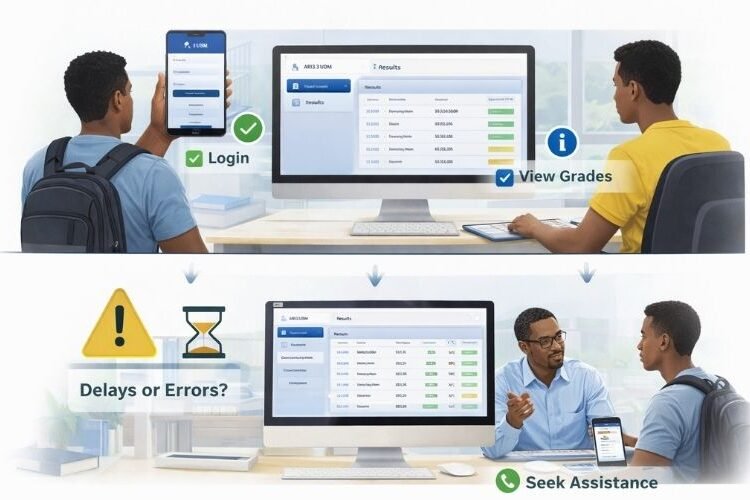
Checking examination results is another critical function for students. ARIS 3 UDSM results checking allows students to view their academic performance as soon as results are officially released.
After logging in, students can navigate to the results section, where grades for completed courses are displayed. The system provides a clear breakdown of marks, grades and academic standing. This transparency helps students understand their performance and identify areas for improvement.
If results do not appear or seem incorrect, students should avoid panic. Delays can occur due to verification processes or pending submissions. In such cases, students are advised to contact relevant academic offices for clarification rather than assuming system errors.
Common Issues Faced on ARIS 3 UDSM and How to Fix Them
Despite its efficiency, users may sometimes experience challenges. One common complaint is aris 3 udsm not working during peak periods, such as registration or results release. High traffic can temporarily slow down the system.
Login problems are another frequent issue. These often result from incorrect credentials, expired passwords or locked accounts. Performing a password reset or contacting university support usually resolves these problems quickly.
System errors may also occur if academic data has not been fully updated. In such cases, users should wait for official communication or seek assistance from faculty administrators. Understanding that most issues are temporary helps users remain patient and avoid unnecessary stress.
Frequently Reported Problems on ARIS 3 UDSM
While ARIS 3 UDSM is a reliable academic system, users may occasionally encounter technical or access-related challenges. Understanding these common problems helps users respond correctly without unnecessary delays. The table below outlines typical issues and practical solutions.
Common ARIS 3 UDSM Issues and Solutions
| Issue | Possible Cause | Recommended Action |
| Login failure | Incorrect credentials | Reset password or verify details |
| System slow | High traffic | Retry during off-peak hours |
| Missing results | Pending verification | Contact faculty administration |
| Registration errors | Incomplete submission | Review and reconfirm registration |
Most system issues can be minimized by logging in during off-peak hours, keeping credentials secure and following official university guidelines. When problems persist, contacting the appropriate support office ensures faster resolution and data accuracy.
Benefits of Using ARIS 3 UDSM for Students and Staff
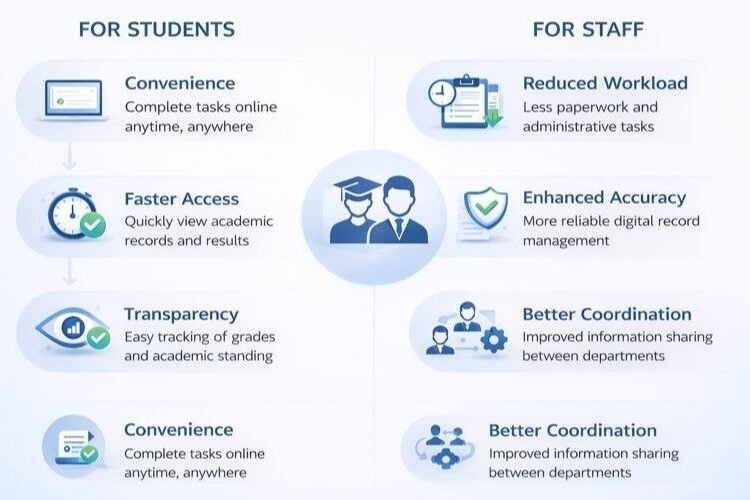
The benefits of using ARIS 3 UDSM extend to both students and university staff. For students, the system offers convenience, transparency and faster access to academic information. Tasks that once required physical visits can now be completed online.
Staff members benefit from reduced administrative workload and improved data accuracy. Digital record management minimizes paperwork and enhances coordination between departments.
Overall, the platform strengthens efficiency across the university. By centralizing academic processes, it ensures consistency, reduces errors and supports better decision-making within the UDSM academic system.
Conclusion
ARIS 3 UDSM has become an essential academic tool at the University of Dar es Salaam. From login access and course registration to results checking and academic record management, the system supports nearly every aspect of university life.
By understanding how to use the platform effectively, students and staff can avoid common issues and make better use of its features. Staying informed, following official guidelines and using the system responsibly ensures a smoother academic experience for everyone involved.
Frequently Asked Questions (FAQs)
What is ARIS 3 UDSM used for?
ARIS 3 UDSM is an academic management system used by the University of Dar es Salaam to handle course registration, examination results and academic records. It provides students and staff with centralized, secure and reliable access to academic information.
How do I access the ARIS 3 UDSM login portal?
Users access the ARIS 3 UDSM login portal through the official University of Dar es Salaam academic system. Students use registration numbers, while staff use institution-issued credentials to securely access role based academic services and information.
Why is ARIS 3 UDSM not working at certain times?
ARIS 3 UDSM may experience temporary downtime or slow performance during peak periods such as course registration or results release. High system traffic often causes delays and users are advised to retry later or follow official university updates.
Can students complete course registration using ARIS 3 UDSM?
Yes, students use ARIS 3 UDSM to register courses each semester. The system allows selection, confirmation and tracking of approved courses, ensuring accurate enrollment records and minimizing errors related to academic progression.
How can I check my examination results on ARIS 3 UDSM?
Students can check examination results by logging into their ARIS 3 UDSM accounts and navigating to the results section. Grades appear once officially published and verified by the university, ensuring transparency and academic accuracy.
What should I do if I forget my ARIS 3 UDSM password?
If you forget your ARIS 3 UDSM password, use the password recovery option available on the portal or contact university ICT support. Prompt action helps prevent delays in accessing registration, results or academic records.
Is ARIS 3 UDSM available for both students and staff members?
Yes, ARIS 3 UDSM supports both students and staff members. Each user accesses the system through role based dashboards designed to provide relevant academic tools, ensuring efficient management of learning, teaching and administrative responsibilities.

I am Ali Ahmad, a Business Analyst and research based article writer with a Master’s degree in Business and Finance and over five years of professional experience. My work focuses on data driven analysis, market research and international business relations, with strong attention to global economic trends and financial systems. I specialise in analytical content that evaluates corporate strategies, cross border trade, market behaviour and financial decision making, delivering well structured, factual and insight driven articles.