






LEGO building is a beloved hobby for all ages and as your skills grow so does your ambition to create more complex, detailed and intricate models. While beginner sets offer a great starting point, expert builders and advanced LEGO Models enthusiasts enjoy the challenge of constructing larger, more intricate designs.

In this guide, we will dive deep into advanced LEGO building techniques, provide tips for expert builders and explore how you can master the art of creating impressive LEGO models.
Mastering SNOT and Advanced Building Techniques
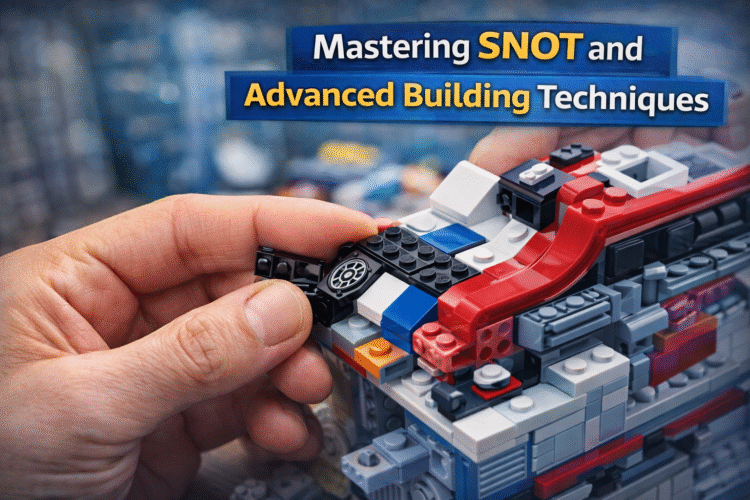
As you progress from basic LEGO sets to more complex builds, you will encounter advanced LEGO building techniques that require a higher level of skill, precision and creativity. Below are some essential advanced techniques every expert LEGO builder should know.
Studs Not On Top (SNOT)
One of the most widely used techniques for expert builders is SNOT (Studs Not On Top). This technique involves building with the studs facing in directions other than upwards, such as sideways, backwards or even at an angle. Builders can achieve smoother surfaces, more intricate detailing and create curved walls, sloped roofs and detailed textures.
How to Use SNOT:
Sideways Building: Use modified bricks with a side stud, like 1×2 bricks with a side stud or 1×1 plates with a side stud, to attach pieces horizontally.
SNOT on Angles: Use hinge pieces or modified plates to create angled or curved structures, such as rounded walls or dynamic poses for characters or vehicles.
Vertical SNOT: By attaching pieces with a vertical stud orientation, you can create intricate patterns and textures, which are often used for walls or structural details.
SNOT opens up new possibilities for building that would be impossible or overly complicated using traditional techniques where all the studs face upwards.
Using Bricks and Plates for Structure
Structural integrity becomes a key factor in advanced LEGO models. Expert builders focus on reinforcing their models to ensure they can hold their shape and survive handling. Using a combination of bricks and plates, ensures that your model stays sturdy.
How to Reinforce Your Models:
Internal Framing: Build an internal frame using technic beams or technic lift arms for models that need added strength, such as vehicles, buildings or large sculptures.
Double Layering: For walls or floors, use double layers of plates to provide extra stability while keeping the model lightweight.
Stud Alignment: Pay attention to stud alignment when stacking pieces vertically. Staggering your studs can help ensure the pieces hold together more securely.
Incorporating Complex Shapes and Curves
The most challenging and rewarding aspects of advanced LEGO building is creating complex shapes and curves. LEGO bricks are typically square or rectangular, expert builders can create organic shapes and structures. This requires thinking outside the box and using the right combination of pieces to make curves, arches and other rounded forms.
How to Create Curves and Complex Shapes:
Arch Bricks: LEGO has specific arch bricks and curved slopes designed for building arches and curved walls. These bricks are designed to provide smooth, curved surfaces that can be used for doors, windows or decorative features.
Flexible Pieces: Use flexible hoses or rubber bands for building dynamic, bendable shapes like curved roads, soft landscapes or creative creature designs.
Stacking Angled Pieces: Create a rounded shape by stacking angled pieces, such as 1×2 slopes or 1×1 wedges, which gradually lead to a curve. Experiment with different angles to achieve the smoothness you desire.
Creating curves in LEGO often requires experimenting with different combinations of pieces, but with patience, you will be able to construct beautiful, flowing designs.
Mastering Color and Texture
Advanced LEGO models often rely on both color and texture to bring a build to life. By understanding the use of different colors and textures, expert builders can create more realistic or aesthetically pleasing designs. This could mean using specific colors to mimic real world objects, adding textured tiles for intricate details or utilizing contrasting colors to highlight certain areas of a model.
Read Also: The Magic of LEGO Dune: A Perfect Blend of Creativity and Adventure
How to Use Color and Texture Effectively:
Monochrome Builds: For certain models, a monochromatic color scheme can make the model appear more realistic and unified. For example, creating a building with all white bricks or a vehicle with matching hues can give a cohesive look.
Adding Texture: To achieve texture, try using different types of tiles (smooth, printed or textured) and mix them into your build. For example, 1×1 round plates can be used to mimic a paved road or rough terrain on your vehicle.
Color Blocking: For more artistic designs, use color blocking to highlight certain sections of your model. This technique helps draw attention to specific areas, creating visual interest and balance.
By carefully selecting your color palette and mixing different textures, you can elevate your model and make it visually striking.
Adding Movement and Mechanisms to Your LEGO Models
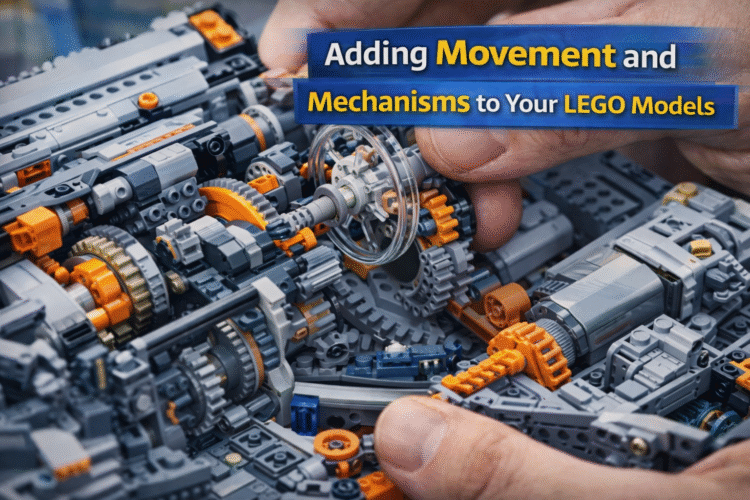
One of the most exciting aspects of advanced LEGO building is the incorporation of mechanisms and movement. Whether you are building a robot, vehicle or animated scene, adding moving parts and using LEGO Technic pieces, motors or pulleys can make your creation dynamic and interactive.
How to Add Movement:
Technic Gears and Motors: Incorporate Technic gears and motors for moving parts like wheels, arms or even opening doors. These pieces allow for precise control and help you add real world functionality to your build.
Pulleys and Winches: Use pulleys or winches to create working systems for lifting, lowering or rotating parts of your model.
Incorporating moving parts in your build adds an element of realism and increases the interactivity of your LEGO creation.
Conclusion
Building advanced LEGO models is both challenging and rewarding. Whether you are using SNOT techniques, adding complex shapes, creating detailed textures or incorporating mechanisms, these advanced techniques can take your LEGO building to the next level.
With patience and practice, you will be able to master these techniques and create advanced LEGO models that showcase your skills.As you continue to refine your advanced LEGO models building techniques, remember that creativity is key.
Do not be afraid to experiment and push the boundaries of what you can build with LEGO bricks. The possibilities are endless when you combine technique, imagination and passion for the craft.
Frequently Asked Questions (FAQs)
What are the advanced LEGO building techniques?
Some of the advanced techniques include SNOT (Studs Not On Top), using bricks and plates for structure and incorporating complex shapes, curves and mechanisms.
How can I create curves and complex shapes in LEGO?
Use arch bricks, flexible pieces and stacking angled pieces to create smooth, rounded shapes and curves.
What are the best LEGO sets for expert builders?
Expert builders often enjoy LEGO Technic, LEGO Creator Expert and LEGO Architecture sets due to their intricate designs and challenging builds.
How can I add movement to my LEGO models?
Incorporate Technic gears, motors, pulleys or winches to create moving parts, like wheels or opening doors, for added interactivity.
How do I use color and texture in advanced LEGO builds?
Experiment with monochrome builds, adding textured tiles and using color blocking to highlight specific sections of your model.
Read Also: The Ultimate Guide to LEGO Sets for All Ages

I am Ali Ahmad, a Business Analyst and research based article writer with a Master’s degree in Business and Finance and over five years of professional experience. My work focuses on data driven analysis, market research and international business relations, with strong attention to global economic trends and financial systems. I specialise in analytical content that evaluates corporate strategies, cross border trade, market behaviour and financial decision making, delivering well structured, factual and insight driven articles.